
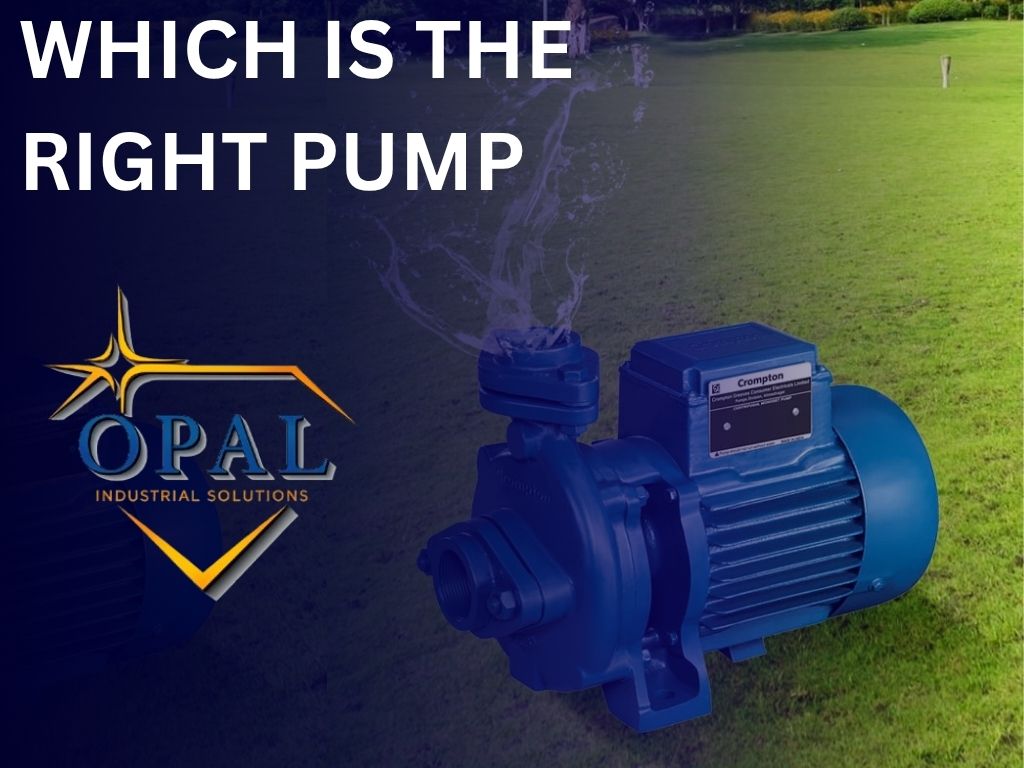
How to Choose the Right Pump for Your Application
Which Is The Right Pump?
Welcome back! Whether you’re a seasoned engineer, a DIY enthusiast, or just someone who hates the thought of a flooded basement, today’s topic hits home for many of us: selecting the right pump for your needs. Pumps are deceptively simple machines—but picking the right one? That’s a bit of an art and a science combined. So, let’s dive into the essentials that will help you make a confident, informed choice without the headaches.
At its core, choosing the right pump boils down to understanding your application’s unique demands. No two situations are quite the same. One pump might be perfect for moving water in your garden irrigation system, while another is better suited for transferring oil in an industrial setting. Over the next few minutes, we’ll explore the key factors to consider and sprinkle in some practical tips and real-world insights.
Understand Your Fluid and Environment
The first question you need to ask: What exactly are you pumping? Water? Oil? Chemicals? Slurry? Each fluid has its quirks—viscosity, corrosiveness, temperature—that influence the pump design you’ll need. For example, corrosive fluids might require pumps made from stainless steel or with special seals, while highly viscous liquids demand more powerful motors and particular pump types like gear pumps.
Don’t overlook your environment either. Is the pump going indoors or outdoors? Will it be exposed to weather extremes or potential flooding? These considerations might change your material and power source preferences.
Match the Pump Type to Your Flow and Pressure Needs
Next up: flow rate and pressure. How much fluid do you need moved, and how quickly? Are you lifting water from a deep well or just circulating it gently through a system? Centrifugal pumps typically handle high flow rates with moderate pressure—think garden hoses or pool pumps—while positive displacement pumps are better for precise volumes and high pressure, like in hydraulic systems.
Look at the pump’s performance curves and try to match the operational range to your system’s demands. Running a pump outside its ideal range can lead to inefficiency, noisy operation, or premature failure.
Consider Power and Efficiency
Power source is another vital piece of the puzzle. Will your pump run on electricity, gasoline, or maybe even solar? The availability and cost of power affect not only installation but long-term costs. And while it can be tempting to go for the cheapest option upfront, try to peek under the hood of energy efficiency—over time, a slightly pricier pump that sips less energy could save you a bundle.
Maintenance and Reliability Matter
Here’s where real-world practicality kicks in. Some pumps are easy to service, with widely available parts and simple designs. Others might require specialized knowledge or tools. If your pump will be in a remote location or a critical application, reliability and ease of maintenance become paramount. Think about warranties, manufacturer support, and how often you can realistically service the equipment.
Ask for Expert Advice, but Trust Your Context
You might want to consult product specialists or engineers—hands-on advice tailored to your specific case is priceless. But always remember: the “right” pump is the one that fits your unique combination of fluid properties, flow requirements, power constraints, environment, and budget. Don’t just settle for the most popular or cheapest model.
Finally, testing and monitoring systems can help you fine-tune your pump choice or catch issues before they become costly. Sensors, flow meters, and automated controls are becoming more accessible, making them great allies in optimizing performance.
Wrapping Up
Choosing the right pump isn’t a “set it and forget it” deal. It’s a thoughtful process that balances many factors, from technical specs to practical conditions. But with a clear understanding of your application, a bit of research, and thoughtful planning, you’ll be well on your way to making a smart, dependable choice.
Thanks for joining me on this pump-primed journey! Stay tuned because next week we’ll be diving into common pump troubleshooting tips—perfect for when things don’t go exactly as planned. Until then, keep those systems flowing smoothly, and remember: every great project starts with the right foundation, pump included.